We specialize in providing comprehensive furniture solutions, offering both ODM and OEM services.

News
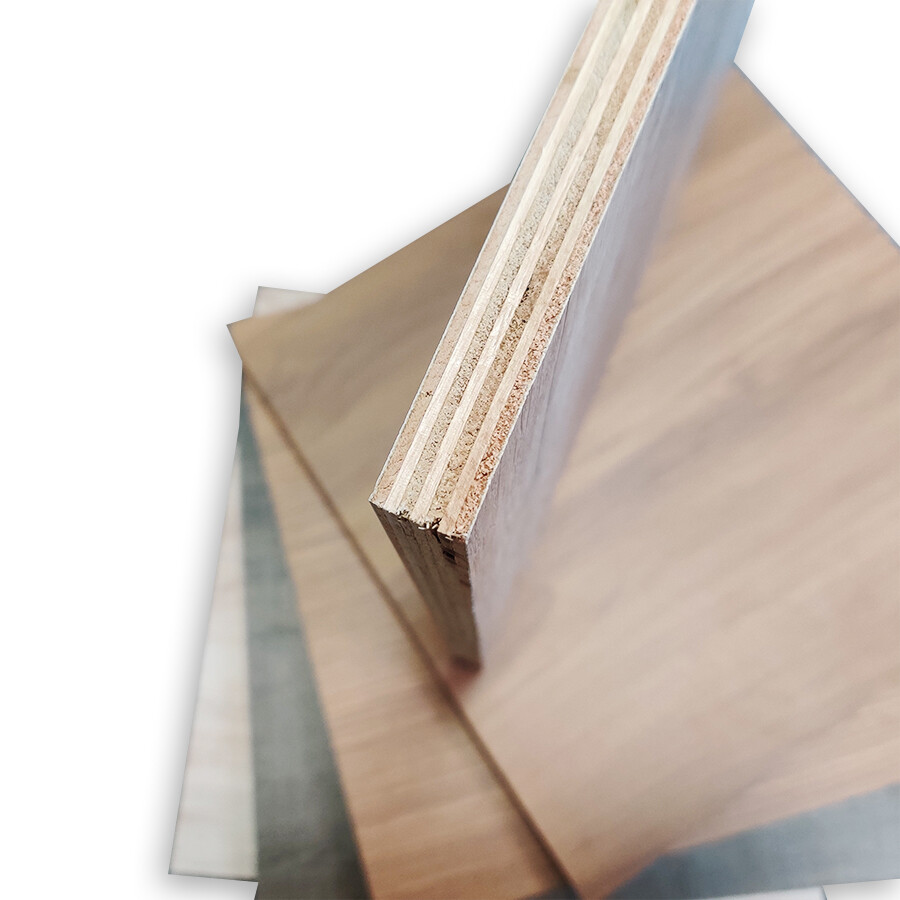
Plywood, particle board, and other manufactured wood cores like MDF have rough, unfinished, unprotected, and generally unsightly edges.
To account for that, some clever folks developed technologies that allow you to glue different bands of glossy finished material to those rough edges to match the tops and sides.
The thicker edging is used in high traffic and commercial environments because it provides greater resilience and impact resistance.
And edge banders are the industrial grade machines that apply the edging tape to the raw edges of the wood panels with a hot-melt adhesive or glue.
What’s the purpose of edge banding?
Edge banding serves both functional and aesthetic purposes.
Functionally, edge bands perform some key duties for your furniture. First, they keeps moisture out serving as de facto seals on the edge of the core material. Second, edge banding improves durability and resilience by providing impact resistance. If you’re using solid wood edging, it can also add to the overall strength of the furniture.
Aesthetically, edge banding covers up unsightly rough edges and creates a glossy finish to match your tops and sides. You can also create radial edges to soften sharp angles.
Where do we apply edge banding?
Where can you expect to find edge banding in your furniture? That depends on your overall material specification.
A solid wood product won’t include any edge banding, except where we can’t use solid wood. Wardrobe doors, for example, are made of veneer core plywood or MDF.
And even when we use solid wood for case sides and drawer fronts, many customers still use high pressure laminate tops. Those tops need edge banding.
If you’re using plywood or laminate as your material specification, that needs edge banding too.
We uses edge banding in places you might not expect, like plywood bed decks. Why? Because a fully sealed deck prevents bed bugs. You can read more about bed bug mitigation here.
Where won’t you find edge banding?
We doesn’t use edge banding on cabinet backs or drawer bottoms because they are already embedded (sealed) in dato grooves. Likewise we don’t edge band internal plywood drawer parts because it doesn’t add value.
You should note that some manufactures don’t use edge banding where they should—like on the bottom and back edges of plywood cabinets. That’s a problem because moisture, even small amounts, can destroy unsealed furniture.
Latest articles
 Cambodia Melamine Plywood & Birch Veneer Plywood for USA | Low Tariff & Certified PEDICCO Factory2026-08-19
 Melamine Plywood2026-08-07
- Blockboard2026-07-03
 Lightweight Paulownia Plywood for RV and Yacht Interiors2026-06-24
 Film Faced Plywood Manufacturer in China | F17 Shuttering Plywood Supplier for Concrete Formwork2026-05-18
Ask For A Quick Quote
If you are looking for more information on our services, or how we could potentially help, we would love to hear from you!