We specialize in providing comprehensive furniture solutions, offering both ODM and OEM services.

News
Lightweight Paulownia Plywood for RV and Yacht Interiors
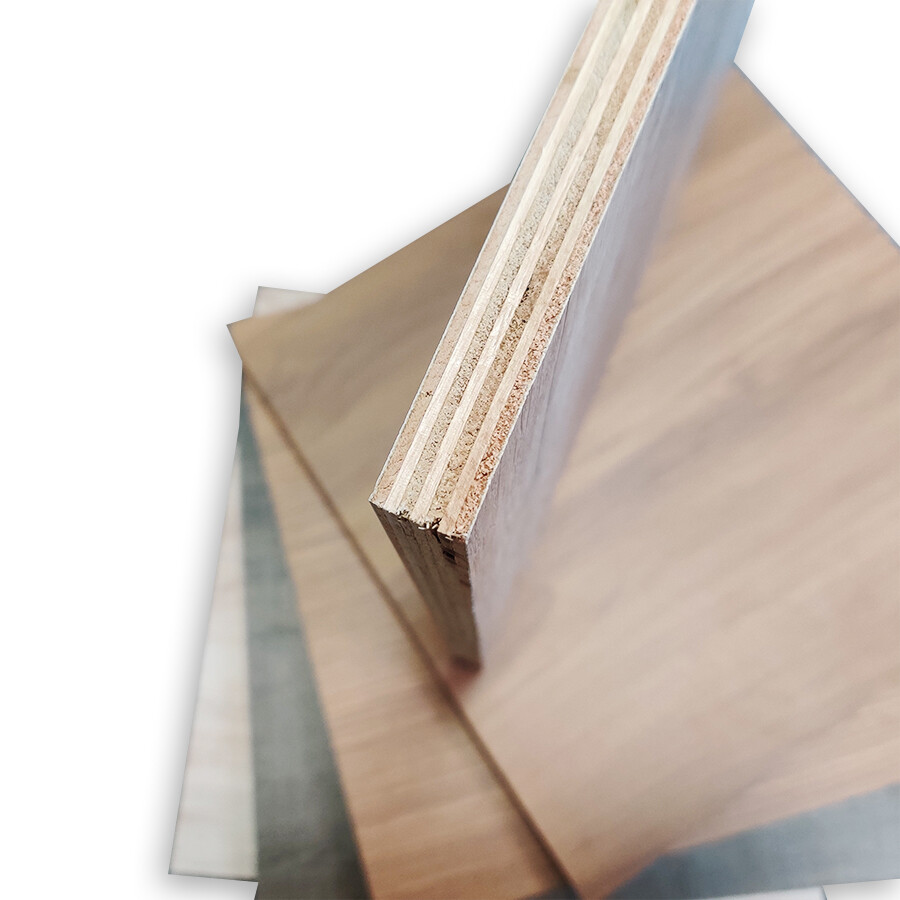
When you build a motorhome cabinet or a yacht galley, every kilogram you add costs you twice. It eats into payload, it burns extra fuel, and on the water it slowly pushes your waterline down. This is the exact problem lightweight Paulownia plywood was made to solve. With a panel density that sits between 280 and 320 kg/m3, it weighs close to half of a standard poplar or eucalyptus core board, yet it still holds screws, takes laminate, and machines cleanly on a CNC line.
We have spent years supplying Paulownia core plywood to caravan factories and boat builders, and the same questions come up again and again: How thin can I go before the panel flexes? Will it survive humidity? Can it hold a hinge? This page answers those questions the way a workshop foreman would, not the way a catalogue would.
Why RV and Yacht Builders Choose Paulownia Core Plywood
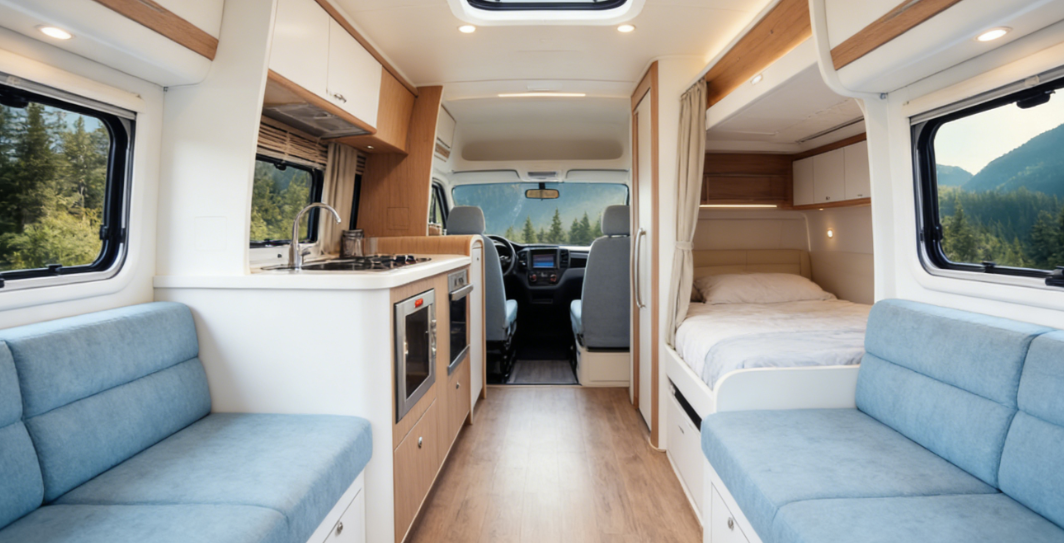
Paulownia is one of the lightest commercial hardwoods in the world. Its long, straight fibres give the timber a high strength to weight ratio, which is the single most important number in any mobile or marine build. A finished campervan that uses ultra light plywood panels throughout the furniture run can shed 25 to 35 percent of its interior weight compared with a conventional birch build. That difference often decides whether a converted van stays under a 3.5 tonne licence limit.
There is a second reason that rarely makes it onto spec sheets: dimensional stability. Paulownia barely moves when the temperature swings from a cold marina morning to a hot afternoon deck. Doors stay aligned, drawers keep running true, and laminate faces do not telegraph stress lines after a season of use. For a builder, fewer callbacks matter as much as the weight saving itself.
Standard Thickness and Sizes for Mobile and Marine Work
Choosing the right thickness is mostly about matching the panel to its job. Over specifying adds weight you fought hard to remove; under specifying gives you a flexing wall or a hinge that tears out. Here is how experienced builders usually split it.
Standard sheet sizes are 1220 x 2440 mm, with longer 1220 x 2800 mm and 1220 x 3050 mm formats available when you want a full height wall lining without a seam. For furniture carcasses and doors, 15mm Paulownia plywood for RV cabinets and 18mm lightweight yacht board are the two thicknesses we ship most, because they give enough body for a hinge screw to bite while staying remarkably light in the hand.
Moisture, Glue Bond and Marine Conditions
A panel for a boat lives a harder life than a panel in a wardrobe. That is why glue line quality matters more than the wood itself in marine work. For damp environments we supply waterproof lightweight plywood for boats built with a WBP grade phenolic or modified melamine bond, so the layers do not creep apart when humidity climbs.
It is worth being precise here, because the word marine gets used loosely in the trade. Paulownia is not a structural hull material and should never be sold as one. What it does well is interior and joinery work where you need water resistance, light weight, and a clean face for veneer or laminate. Used that way, marine lightweight plywood panels hold up for years inside a cabin.
Surface Finishes That Reach the End User
Most of our customers do not want raw board, they want a face that is ready to install. Two finishes cover the majority of orders. HPL laminated Paulownia plywood is the workhorse of RV interiors, because the high pressure laminate resists scratching, wipes clean, and meets fire behaviour expectations for enclosed cabins. For higher end yacht work, we apply real wood veneer such as teak, oak or walnut over the Paulownia core, so the cabin looks like solid timber while weighing a fraction of it.
Edge banding, pre cut blanks and drilled panels are available on request, which shortens assembly time on the factory floor and reduces offcut waste on your side.
Certifications and Specifications Buyers Ask For
Serious B2B buyers read the spec sheet before they read the price. The figures below are the ones procurement teams care about most:
- Density: 280 to 320 kg/m3, roughly half of standard hardwood plywood
- Formaldehyde class: E0 and CARB P2 compliant for cabin air quality
- Thickness tolerance: plus or minus 0.2 mm for clean CNC nesting
- Bond quality: WBP phenolic option for humid and marine interiors
- Forestry sourcing: FSC certified Paulownia plywood on request
These numbers are not decoration. The low density figure alone tells a building contractor that this is not the cheap structural sheet they are looking for, while the tolerance and formaldehyde class tell a furniture engineer that the panel will behave on a precision line. You can cross check the formaldehyde limits through the official CARB composite wood program and confirm chain of custody claims through the FSC certificate database. Panel performance terms also follow the harmonised EN 13986 standard for wood based panels.
What This Board Is Not For
We are deliberate about who we sell to, and it saves everyone time. This is a specialised interior and joinery panel for caravan, campervan and yacht builders. It is not an OSB substitute, it is not CDX sheathing, and it is not a construction grade board for subfloors or formwork. If your project needs structural roofing or wall sheathing, this is the wrong material and we will tell you so.
Saying this clearly does two things. It keeps the quotes flowing to customers who value light weight and a clean face, and it spares price driven construction buyers a conversation that was never going to end in an order.
Custom Sizes, Wholesale and Lead Times
As a Paulownia plywood manufacturer in China, we run both standard stock and custom programmes. Custom size Paulownia panels are cut to your cabinet drawings, and bulk buy Paulownia plywood orders are palletised for container loading with moisture barriers for the sea leg. Minimum order quantities apply, because the value sits in consistent, factory grade supply rather than one off retail sheets.
If you are a lightweight plywood supplier for an RV factory or an OEM joinery shop, send us your cut list and target weight. We will recommend a thickness and finish combination that hits your payload goal without giving up the strength your hinges and worktops need.
A Quick Word From the Workshop
The mistake we see most often is builders defaulting to the thickness they have always used on birch. Paulownia lets you rethink that. A door that was 18 mm birch can frequently drop to 15 mm Paulownia with no loss of feel, and a ceiling that was 6 mm can move to 4 mm. Make those swaps across a whole build and the weight savings compound fast. That is the real reason this board keeps winning space in mobile and marine interiors: it lets good builders build lighter without building flimsier.
Latest articles
 Cambodia Melamine Plywood & Birch Veneer Plywood for USA | Low Tariff & Certified PEDICCO Factory2026-08-19
 Melamine Plywood2026-08-07
- Blockboard2026-07-03
 Lightweight Paulownia Plywood for RV and Yacht Interiors2026-06-24
 Film Faced Plywood Manufacturer in China | F17 Shuttering Plywood Supplier for Concrete Formwork2026-05-18
Ask For A Quick Quote
If you are looking for more information on our services, or how we could potentially help, we would love to hear from you!