We specialize in providing comprehensive furniture solutions, offering both ODM and OEM services.

News
Melamine Chipboard: The Ultimate Guide for Furniture, Cabinets, and Interior Design
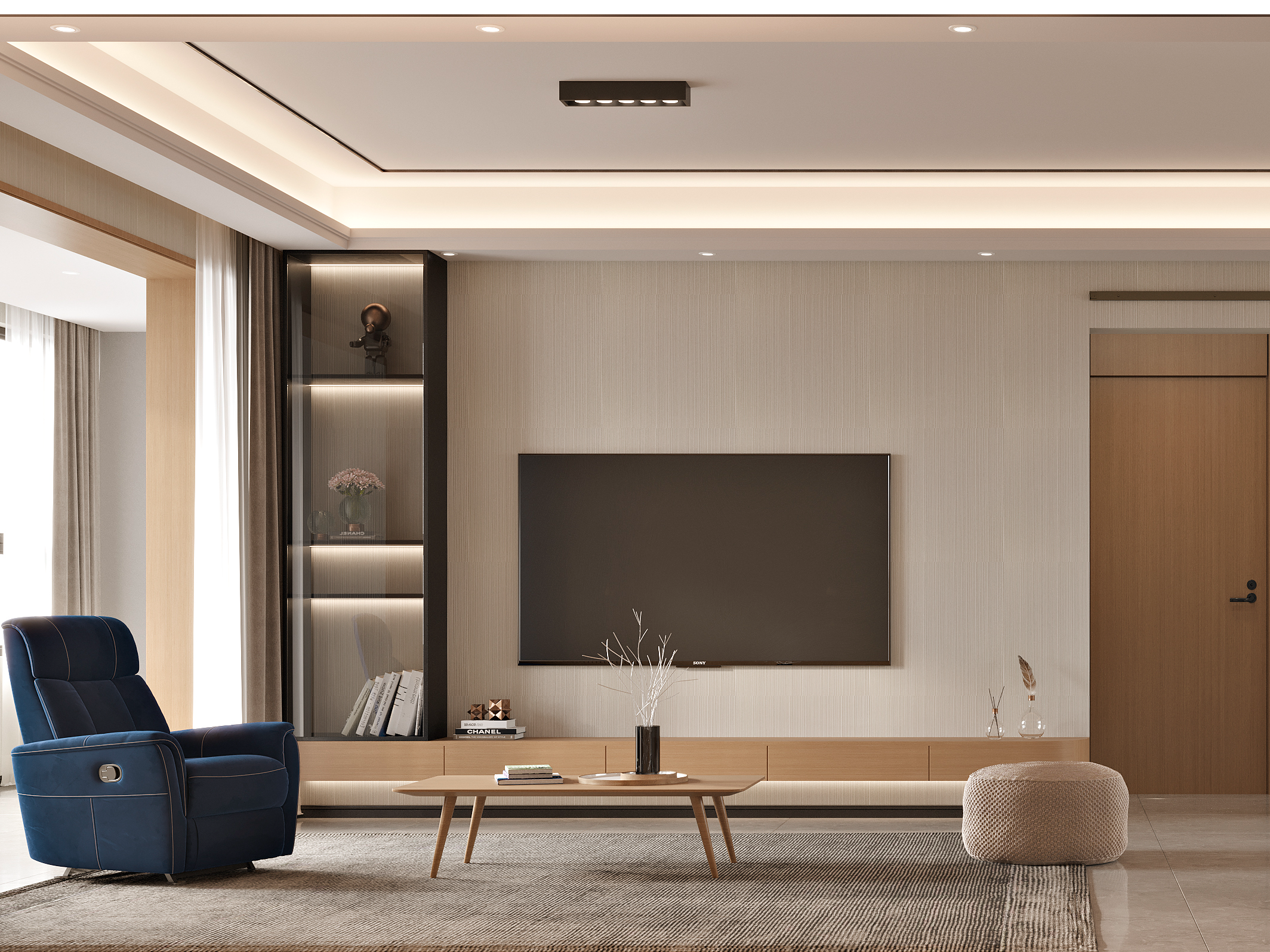
Melamine chipboard, also known as melamine-faced chipboard (MFC), is one of the most versatile engineered wood products in the market. It combines the affordability of particleboard with a durable and decorative melamine surface, making it ideal for furniture, kitchen cabinets, shelving units, decorative panels, and DIY projects. Its combination of strength, low maintenance, and aesthetic flexibility has made it a top choice for both commercial and residential applications.
In this guide, we will cover everything you need to know about melamine chipboard, including its manufacturing process, applications, advantages, maintenance tips, how to choose the right board, and practical examples for DIY and commercial use.
What is Melamine Chipboard?
Melamine chipboard is manufactured by pressing wood chips or particles with adhesive resins to form a dense panel. The surface is then laminated with melamine resin-impregnated paper, creating a smooth, decorative, and hard-wearing finish.
This makes the board resistant to scratches, stains, moisture, and heat, while allowing a variety of colors, textures, and woodgrain patterns.
Key Features:
- Scratch and stain-resistant surface for furniture and cabinets
- Moisture and heat-resistant finish for kitchen and bathroom applications
- Variety of textures and colors to suit modern and traditional interiors
- Easy to cut, drill, laminate, and assemble
- Suitable for DIY projects, office furniture, retail fixtures, and interior decorative panels
Manufacturing Process of Melamine Chipboard
The production of high-quality melamine chipboard involves several critical steps:
- Wood Chip Preparation: Raw wood chips are cleaned, sorted, and screened to ensure uniform size.
- Resin Blending: Chips are mixed with urea-formaldehyde or other adhesive resins.
- Hot Pressing: The mixture is compressed under heat and pressure to form dense panels.
- Surface Lamination: Decorative melamine paper is laminated onto the board to provide a durable, moisture-resistant surface.
- Cutting & Finishing: Boards are trimmed to standard sizes, and edges are finished for installation.
High-quality boards often undergo additional processes such as moisture-resistant core treatment, anti-scratch coatings, and edge banding to improve durability and aesthetic appeal.
Applications of Melamine Chipboard
Melamine chipboard is widely used in various sectors due to its versatility, affordability, and decorative surface.
1. Furniture & Cabinets
- Kitchen Cabinets & Countertops: Durable, moisture-resistant, and easy to clean.
- Wardrobes & Storage Units: Strong enough to hold heavy items while offering aesthetic appeal.
- Office Furniture: Desks, conference tables, reception counters, and storage units.
- Custom Furniture Projects: DIY enthusiasts can create modular furniture and shelves.
2. Interior Design & Decoration
- Decorative wall panels, partitions, and ceiling panels
- Doors, trims, and cabinetry accents
- Custom design elements for commercial spaces, hotels, and restaurants
3. Retail Fixtures
- Shop displays, counters, and shelving units
- Modular retail furniture that is easy to assemble and relocate
- Branding-friendly surfaces suitable for printing and custom finishes
4. Construction & DIY
- Temporary interior fittings and affordable alternatives to plywood
- Custom shelving, closets, and partitions in residential or commercial projects
- Ideal for DIY furniture projects due to ease of cutting, drilling, and assembling
Advantages of Melamine Chipboard
Melamine chipboard offers numerous advantages that make it superior to other materials like MDF, plywood, or solid wood:
- Cost-Effective: Lower cost than solid wood and high-quality plywood, making it suitable for budget-friendly projects
- Durable & Scratch-Resistant: Resistant to scratches, stains, and heat, ensuring longevity
- Aesthetic Variety: Available in matte, glossy, woodgrain, and textured finishes
- Low Maintenance: Easy to clean with household products, no polishing required
- Eco-Friendly Options: Many manufacturers use recycled wood chips and low-formaldehyde adhesives
DIY & Commercial Friendly: Ideal for modular furniture, cabinetry, retail fixtures, and interior decoration
How to Choose the Right Melamine Chipboard
Choosing the right melamine chipboard is essential for long-lasting results. Consider the following factors:
- Density & Thickness: High-density boards are more stable and ideal for heavy furniture like wardrobes and kitchen cabinets.
- Surface Finish: Matte surfaces hide fingerprints and scratches; glossy surfaces are easier to clean.
- Moisture-Resistant Core: Essential for kitchens, bathrooms, and areas with high humidity.
- Certifications: Look for E0/E1 formaldehyde standard and ISO 9001 certifications.
- Manufacturer Reputation: Trusted suppliers ensure consistent quality, availability, and support.
- Long-Term Durability: Boards with anti-scratch and reinforced edge banding last longer.
Maintenance and Care Tips
Proper maintenance extends the life of melamine chipboard:
- Clean regularly with a soft cloth and mild detergent
- Avoid prolonged water exposure and standing moisture
- Protect surfaces from direct heat and heavy impact
- Minor scratches can be repaired with colored fillers or replacement edge banding
- Avoid using abrasive cleaners or steel wool
DIY Tips and Project Ideas
Melamine chipboard is popular among DIY enthusiasts because it is easy to work with:
- Build custom shelving units, desks, or cabinets
- Create modular furniture that can be assembled without professional tools
- Combine with edge banding, decorative trims, and laminate finishes for a professional look
- Use as decorative wall panels or partitions in living spaces
- Paint or apply decals for personalized furniture designs
FAQ Section
Q1: What is melamine chipboard used for?
A1: Melamine chipboard is used for furniture, cabinets, retail fixtures, interior decoration, DIY projects, and office furniture because it is durable and decorative.
Q2: Is melamine chipboard waterproof?
A2: Standard melamine chipboard is moisture-resistant but not fully waterproof. Use moisture-resistant variants for kitchens or bathrooms.
Q3: Can melamine chipboard be used for DIY furniture projects?
A3: Yes, it is ideal for DIY furniture, shelving, and custom cabinetry projects because it is easy to cut, drill, and assemble.
Q4: How do I maintain melamine chipboard furniture?
A4: Clean with a soft cloth and mild detergent, avoid prolonged water exposure, protect from heat, and repair minor scratches as needed.
Q5: What are the advantages of melamine-faced chipboard?
A5: It is cost-effective, durable, scratch-resistant, low-maintenance, eco-friendly, and available in multiple finishes suitable for various furniture and decorative applications.
Q6: How to choose the best melamine chipboard?
A6: Check density, surface finish, moisture resistance, certifications (E0/E1, ISO 9001), and supplier reliability.
Q7: Can melamine chipboard be used for commercial retail fixtures?
A7: Yes, it is commonly used in shop displays, counters, and modular shelving because it is strong, visually appealing, and easy to maintain.
References / External Links:
- Woodworking Network – Melamine-Faced Chipboard
- Wood Products International – Engineered Wood Products
- ArchDaily – Advantages and Applications
- Hunker – Buying Guide
Latest articles
 Cambodia Melamine Plywood & Birch Veneer Plywood for USA | Low Tariff & Certified PEDICCO Factory2026-08-19
 Melamine Plywood2026-08-07
- Blockboard2026-07-03
 Lightweight Paulownia Plywood for RV and Yacht Interiors2026-06-24
 Film Faced Plywood Manufacturer in China | F17 Shuttering Plywood Supplier for Concrete Formwork2026-05-18

Ask For A Quick Quote
If you are looking for more information on our services, or how we could potentially help, we would love to hear from you!